
In cases of taxi cab or bus collisions, a Taxi Cab Collision Lawyer is vital to understand liability and pursue justice. These specialists represent victims, focusing on holding transport companies accountable for safety breaches including vehicle maintenance, driver training, and traffic laws. They investigate accidents, gather evidence, and argue for compensation covering medical expenses, lost wages, and pain & suffering. In bus accident cases, their knowledge of insurance policies and legal aspects ensures maximum benefits for victims. Proving negligence through strategic tactics and using precedents strengthens cases. Prompt action, thorough documentation, and connecting with a skilled lawyer are crucial steps after an accident to protect rights and pursue compensation.
Looking for justice after a bus collision? A Taxi Cab Collision Lawyer is your guide through complex legal waters. This article delves into the intricate world of bus company liability, exploring key aspects from understanding legal perspectives to proving negligence and navigating insurance claims. We dissect common types of bus accident lawsuits and provide crucial steps to take post-collision. By the end, you’ll be equipped with knowledge to assert your rights in the aftermath of a bus or taxi cab collision.
- Understanding Bus Company Liability: A Legal Perspective
- Common Types of Claims Against Bus Companies
- The Role of Insurance in Bus Accident Cases
- Strategies for Proving Negligence in Taxi Cab Collisions
- Case Studies: Notable Bus Accident Lawsuits
- What to Do After a Bus Collision: Rights and Steps to Take
Understanding Bus Company Liability: A Legal Perspective
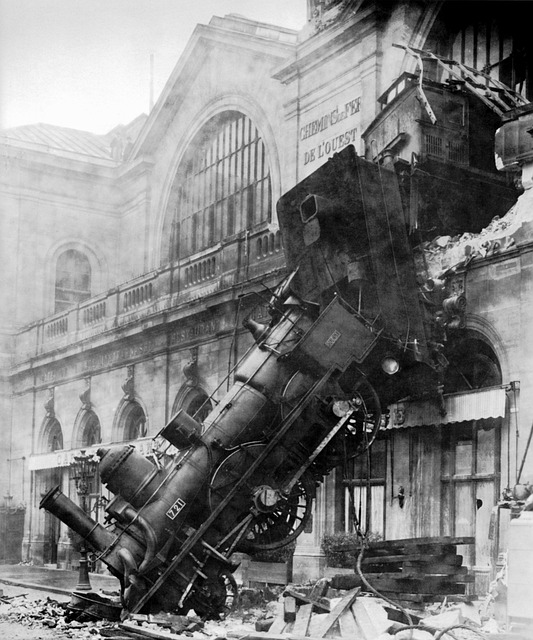
In the event of a taxi cab collision, understanding liability from a legal perspective is paramount. Bus and taxi companies have a legal obligation to ensure the safety of their passengers and others on the road. This includes maintaining well-kept vehicles, adhering to traffic laws, and providing competent driving services. When a collision occurs due to negligence or malfeasance on the part of the company or its employees, it can lead to significant legal repercussions for the responsible party.
A Taxi Cab Collision Lawyer plays a crucial role in navigating these complexities by representing victims and their families in legal proceedings. They are adept at investigating accidents, gathering evidence, and constructing solid arguments to hold bus companies accountable for any harm caused. This may include seeking compensation for medical expenses, lost wages, pain and suffering, and other damages as determined by the court.
Common Types of Claims Against Bus Companies

Bus companies face a range of legal claims due to their operation, each with its own unique circumstances and potential outcomes. Common types of claims include accidents involving passengers or other vehicles, where negligence on the part of the bus driver or company can lead to personal injury suits. These cases often revolve around issues like inadequate training, maintenance of vehicles, and adherence to safety protocols.
Additionally, bus companies may be held liable for incidents such as property damage caused by their vehicles, including taxi cab collisions, and even wrongful death. In all these scenarios, a Taxi Cab Collision Lawyer specializing in bus company liability can play a crucial role in navigating the legal complexities, ensuring that victims’ rights are protected and they receive fair compensation for their losses.
The Role of Insurance in Bus Accident Cases

In bus accident cases, insurance plays a pivotal role in compensating victims for their injuries and damages. Most bus companies carry liability insurance to cover potential accidents and their aftermath. This insurance is designed to protect both the company and its drivers, ensuring that victims receive fair compensation for medical expenses, lost wages, and pain and suffering. A Taxi Cab Collision Lawyer, specializing in such cases, understands these insurance policies and knows how to navigate the claims process effectively.
They are adept at dealing with insurance companies, negotiating settlements, and representing clients’ interests to ensure they receive the maximum benefits available under their policies. These lawyers also have a deep understanding of the legal aspects of bus accidents, enabling them to build strong cases that hold bus companies accountable for their negligence or unsafe operations.
Strategies for Proving Negligence in Taxi Cab Collisions
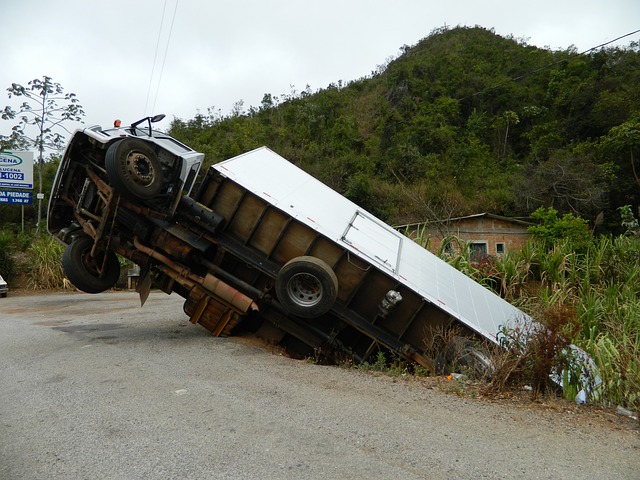
When seeking compensation for injuries sustained in a taxi cab collision, proving negligence is paramount. A Taxi Cab Collision Lawyer will employ several strategies to establish liability. Firstly, they’ll examine the events leading up to the accident, gathering evidence such as police reports, witness statements, and surveillance footage to reconstruct the incident accurately. They’ll then analyze the driver’s actions, looking for breaches in the duty of care, like speeding, failure to yield, or distracted driving.
Medical records and expert opinions play a crucial role in quantifying damages and demonstrating the extent of injuries caused by the collision. A skilled Taxi Cab Collision Lawyer will also investigate the maintenance history of the vehicle, ensuring that proper safety protocols were followed. By combining these strategic elements, legal professionals can effectively prove negligence against the taxi company or responsible driver.
Case Studies: Notable Bus Accident Lawsuits

In recent years, several high-profile bus accident lawsuits have brought the issue of public transportation safety to the forefront. These cases serve as crucial precedents for Bus Company Liability Lawyers, showcasing the potential legal ramifications of negligence and the extent of compensation victims may be entitled to.
One notable example involves a major city’s transit authority, where a bus driver’s distraction led to a taxi cab collision, resulting in multiple injuries and significant property damage. This lawsuit highlighted the importance of driver training and oversight, with the plaintiffs securing a substantial settlement that set a new benchmark for similar cases. Another compelling case centered around a rural area where a faulty brake system on a school bus caused a devastating accident, leading to lifelong disabilities among several children. This tragedy resulted in a significant court ruling emphasizing the transit company’s obligation to maintain safe vehicles, setting a precedent for future Taxi Cab Collision Lawsuits involving public and private transportation.
What to Do After a Bus Collision: Rights and Steps to Take

After a bus collision, it’s crucial to act swiftly and protect your rights as an injured party. The first step is to ensure everyone’s safety—check for injuries among passengers and seek immediate medical attention for any severe cases. Then, document the incident thoroughly by taking photos of the crash scene, bus damage, and personal injuries. Collect contact information from witnesses and fellow passengers, as their testimonies can be invaluable.
Next, get in touch with a skilled Taxi Cab Collision Lawyer who specializes in bus accidents to understand your legal rights and options for compensation. They’ll guide you through filing an insurance claim or taking legal action against the responsible party, whether it’s the bus company, driver, or another entity. Don’t wait; prompt action can strengthen your case and ensure you receive the fair settlement you deserve.
When dealing with bus accidents, whether as a victim or a concerned party, understanding your rights and legal options is paramount. This article has provided an in-depth look at bus company liability, shedding light on the legal perspectives, common claims, and insurance considerations involved. From navigating complex cases to reviewing notable lawsuits, we’ve highlighted strategies for proving negligence, especially in taxi cab collision scenarios. Remember that seeking guidance from a qualified Bus Company Liability Lawyer or Taxi Cab Collision Lawyer is essential to ensure your rights are protected and to navigate the legal landscape effectively.